 en
en  Italian
 French
 German
 Spanish
 Portuguese


- 29/04/2026
- Economy, News and Fairs
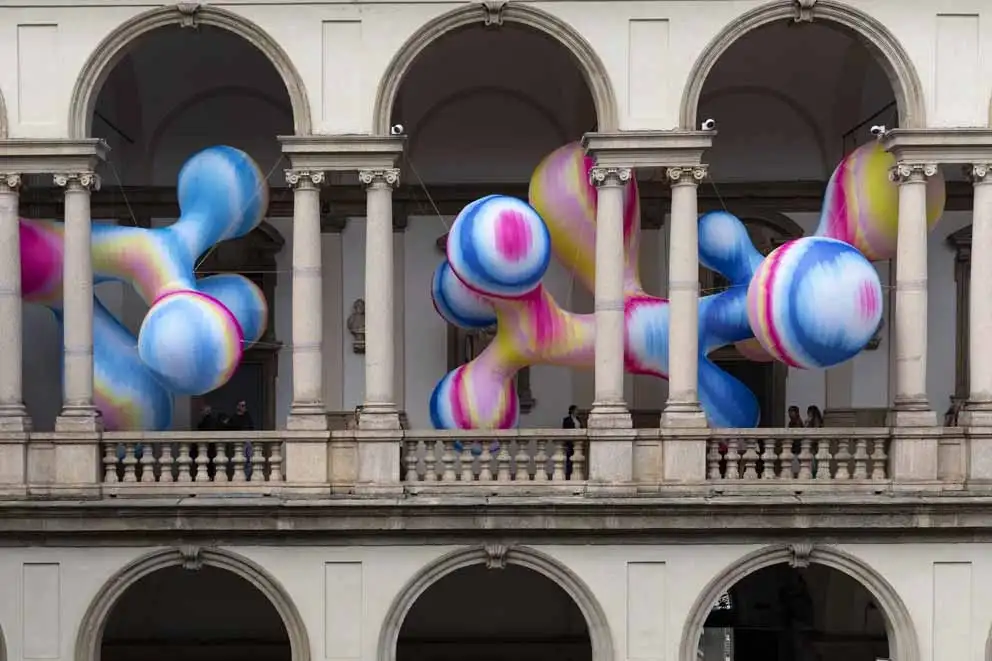
With 1,300 events across the city, more than 1,100 of which are listed in the official guide of Fuorisalone.it, and an attendance of over 500,000 visitors, the 2026 edition of Fuorisalone confirms itself as the most important international gathering for the world of design. In a complex context, the event this year again succeeded in engaging a global community made up of companies, designers, institutions, creatives and an audience not only linked to furniture design, but also to other fields such as technology, fashion, luxury, automotive, food and art.
According to data from the Centro Studi of Confcommercio Milano Lodi Monza Brianza, the Milano Design Week generated an economic impact of €255 million, with growth of +14.7% compared to 2025. A widespread and cross-cutting economy that continues to represent one of the event’s most significant impacts on the territory.
Design, an open and continuously evolving process
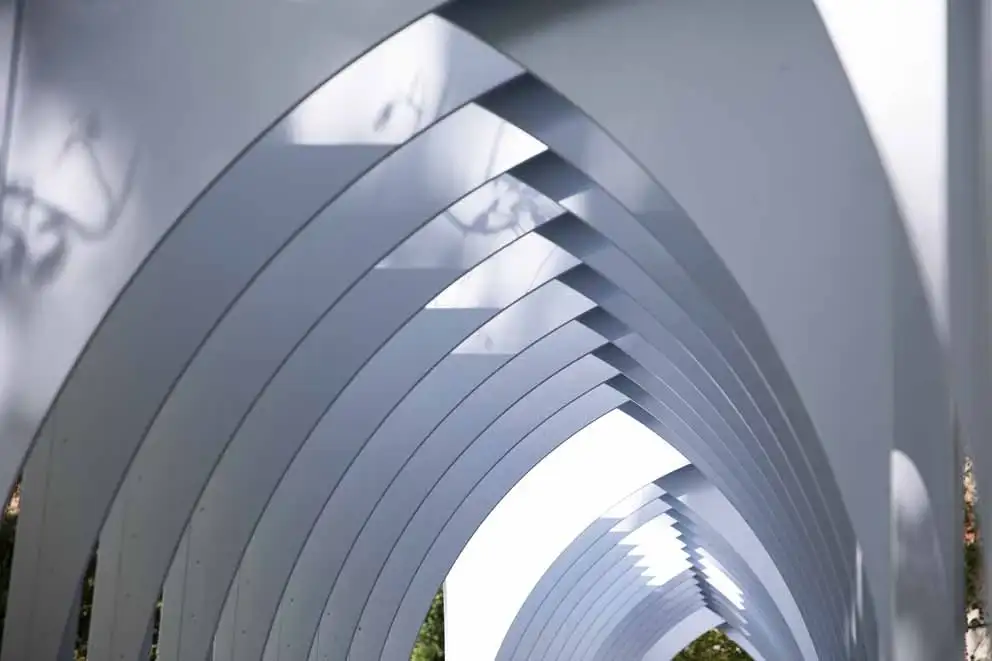
From major brands to independent initiatives, the projects spread across the city’s different districts (Brera, Tortona area, Durini, 5VIE, Isola and Porta Venezia) interpreted the theme of Fuorisalone 2026 “Being Project” as an invitation to rethink design as an open and continuously evolving process. The exhibitions presented practices of research, experimentation and transformation, in which the project takes shape through the dialogue between people, materials, technologies and contexts. Artificial intelligence and emerging technologies became an active part of a non-linear design process, capable of learning and changing.
Historic palaces, courtyards and apartments take center stage at Fuorisalone
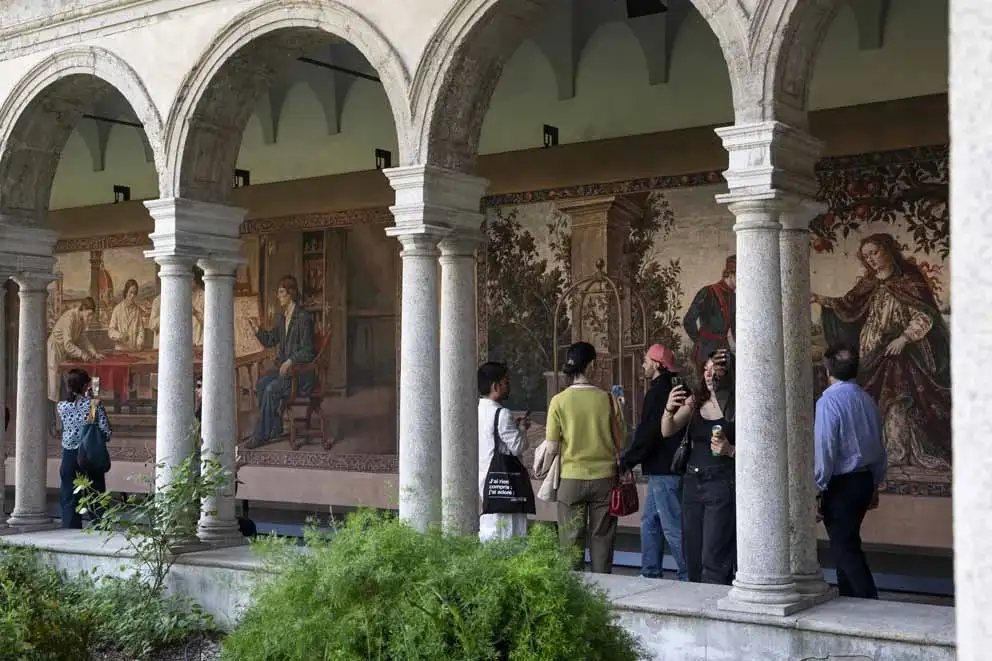
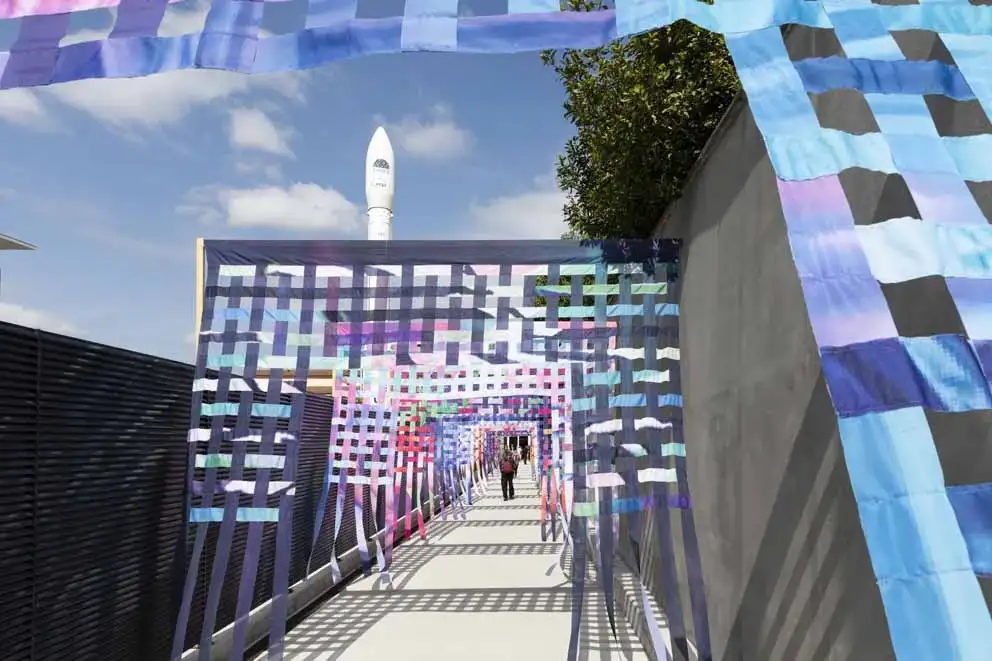
Also this year the true protagonists of the Fuorisalone were the places themselves: historic palaces and spaces usually inaccessible that, during the Milano Design Week, open to the public and transform into project settings.
In the Brera district alone, among the main spaces involved were the Basilica of Santa Maria delle Grazie, the Chiesa del Carmine, the Cloisters of San Simpliciano, the Botanical Garden, Palazzo Citterio, Palazzo Clerici, Palazzo Confalonieri, Palazzo Crivelli.
The role of private residences and apartments is also growing, such as Appartamento Taroni (Piazza Castello 21), Casa in via Mascagni, Casa Milana (Brera), Casaornella (via Conca del Naviglio 10), just to name a few.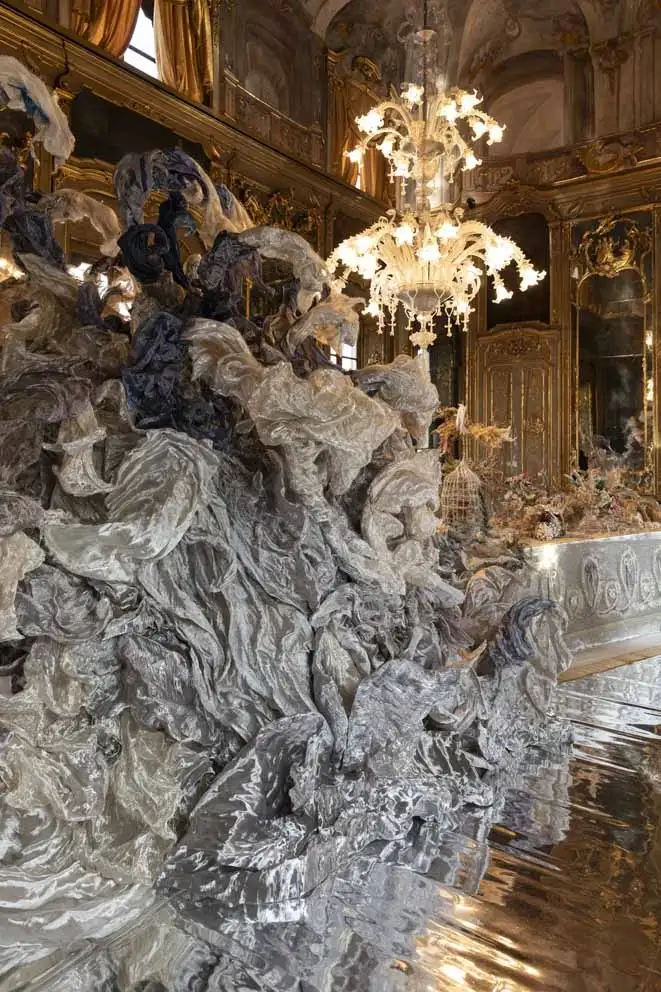
Brera Design District: the most popular
The Brera Design District confirms itself as the event’s point of reference, the most visited and appreciated by professionals and design enthusiasts, as well as the most in-demand by companies.
The Brera Design Week 2026 circuit in fact hosted 320 events, distributed among 217 permanent showrooms and numerous exceptional locations, with over 400 presences among companies and designers.
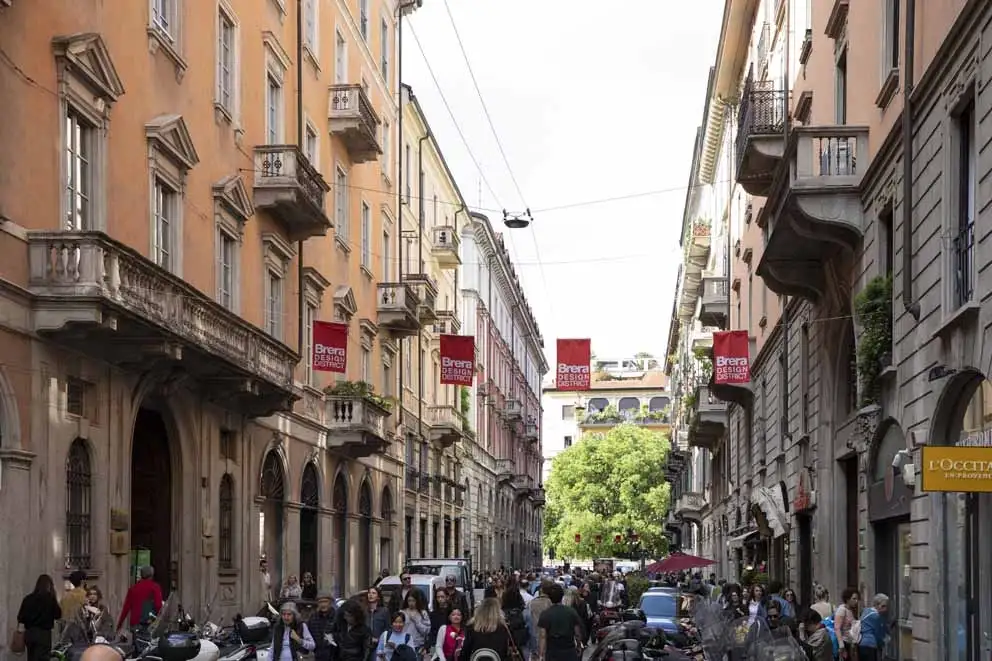
Among the new features of this edition was the debut of Fuorisalone Passport, which for the first time allowed for structured reading and profiling of the public and their behaviors. Tested in the Brera Design District across 63 events, it recorded 104,000 registered users from 15 countries.
Major fashion brands also animated the Brera Design Week with interactive installations, exhibitions and performances: from Hermès, which again chose La Pelota, to Gucci in the setting of the Chiostri di San Simpliciano, as well as Moncler at Palazzo Citterio, and Miu Miu at the Circolo Filologico.
The next Fuorisalone will be in Milan from April 12 to 18, 2027.
All photos are by Lorenzo Fraschetti.