en
 Italian
 French
 German
 Spanish
 Portuguese




- 28/10/2026
- Economy, News and Fairs
Production costs of wood-based panels are now out of control: the cost of energy has increased by 106%, that of gas by 85%, and urea, used in production processes, rose by 51% in the second half of the year. These figures reveal a rather complex situation for a sector characterized by energy-intensive production processes.
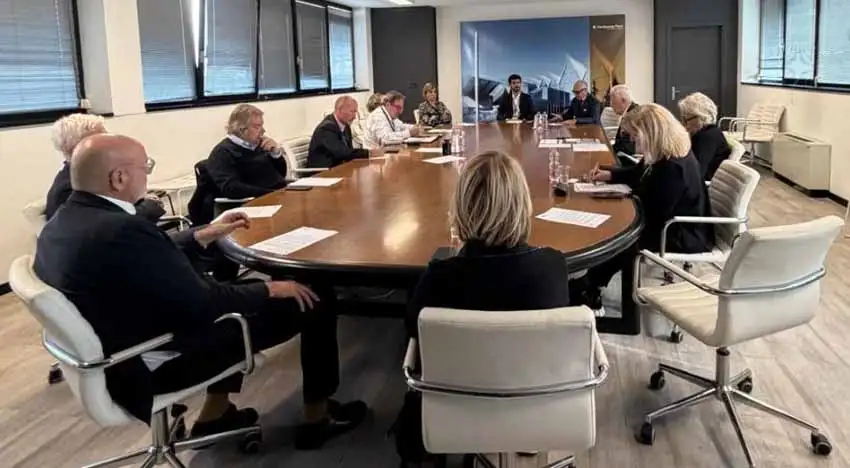
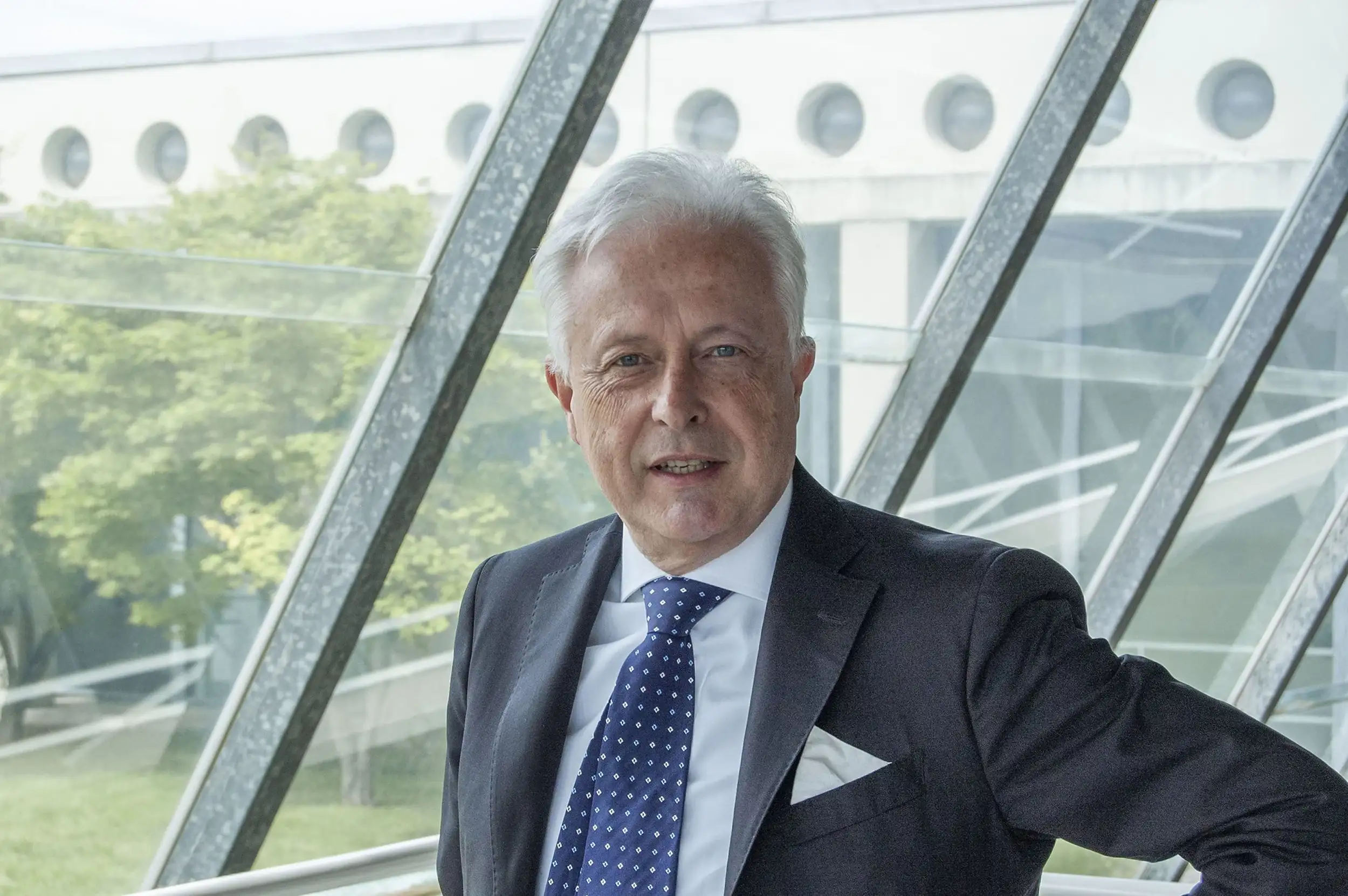
Assopannelli, speaking through its president Paolo Fantoni, issues the warning from SICAM in Pordenone, stressing that “the concurrence of these increases makes industrial management particularly complex for companies, which are called on to absorb significant price hikes without being able to fully pass them on to final prices”.
Competitiveness and investments at risk
Energy and raw materials are increasingly expensive, but above all their simultaneous rise is eroding company margins, putting their competitiveness and ability to invest in international markets at risk.
Even woody raw materials are recording significant increases: logs for chipping, for example, have risen by about 23%, while pellet prices have increased by 35%.
All these current critical issues require a prompt response from the Italian Government, European institutions and the production system as a whole, through concrete dialogue. Without urgent measures, competitiveness and employment are at risk.
Sustainable ecological transition also from an economic and production standpoint
Paolo Fantoni points out that companies in the supply chain operate in a global market, but bear burdens that many non-European competitors do not face. For this reason, Fantoni adds, “we ask institutions to intervene to reduce the energy cost differential and restore more balanced competitive conditions, starting from the environmental obligations that Europe imposes on us”.
The ecological transition remains a fundamental goal, but it must also be sustainable economically and from a production standpoint. European companies, committed to complying with high environmental standards, should not be penalized compared to operators from less regulated markets. “We cannot ask companies to invest in the ecological transition ,” concludes the president of Assopannelli, “and at the same time allow rising costs to undermine their ability to do so.”