 en
en  Italian
 French
 German
 Spanish
 Portuguese



- 18/02/2026
- Companies: strategies and future
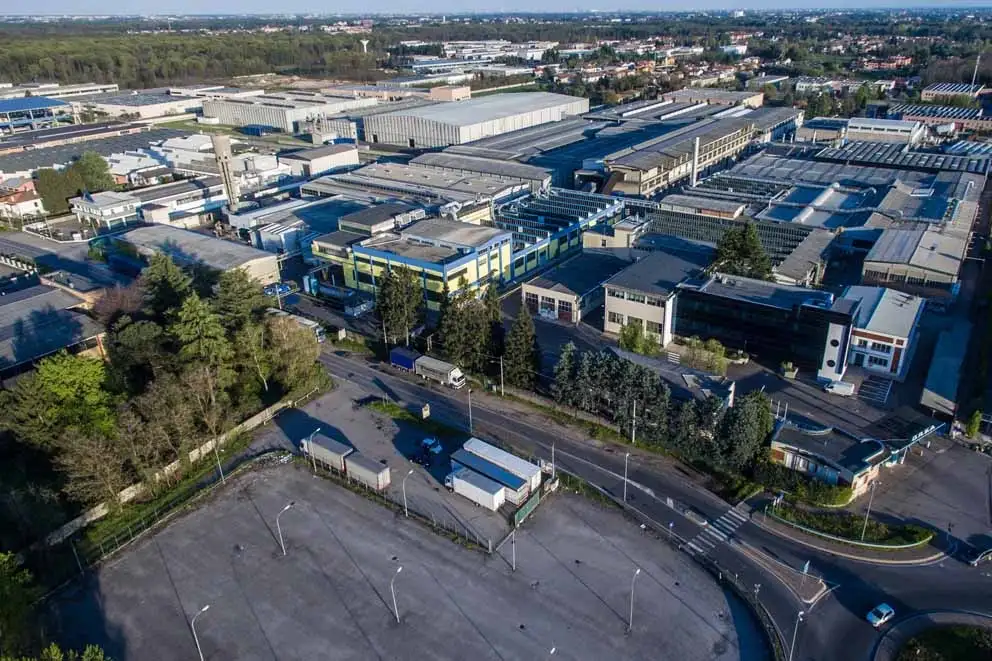
Synonymous with quality and innovation, Orsa foam is one of the leading manufacturers of flexible polyurethane foam and has always been active in sustainability and environmental protection.
Research and development, long a driver of the company's excellence has led it to invest in product innovation and in production processes that are increasingly flexible and sustainable to offer competitive solutions able to meet and anticipate market needs.
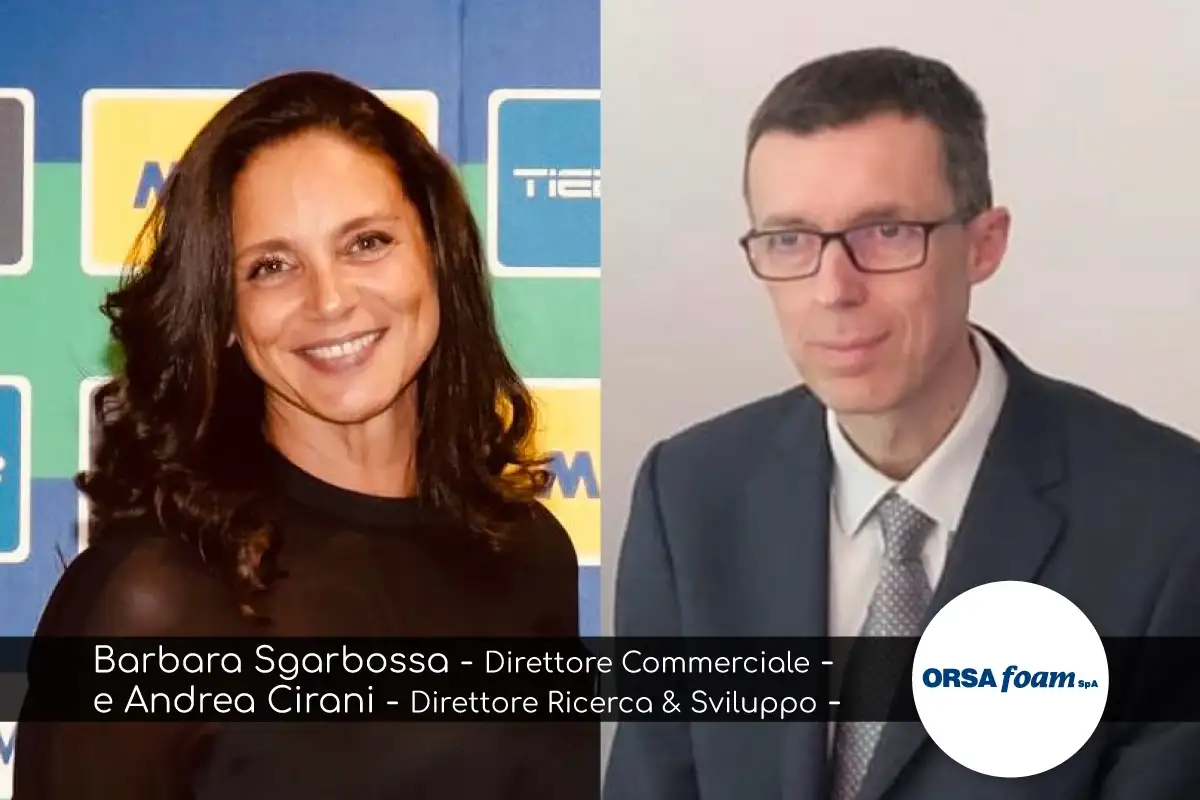
Barbara Sgarbossa, Commercial Director of Orsa Foam, outlines the strategies with which the company faces the current economic situation in a context of strong instability, while Andrea Cirani, Research & Development Director, focuses on Orsa foam's innovation process that sees the development of flexible polyurethane foams using raw materials with reduced environmental impact.
Facing a continuously evolving scenario, how is your company preparing to respond? Will it target other markets, and if so, which ones?
Barbara Sgarbossa - The current context forces us to have a strong capacity to adapt and a medium-long term vision. As a company we are working on two main directions: on the one hand the consolidation of historical markets through strengthening commercial partnerships, on the other a selective expansion towards areas that show more stable growth dynamics.
We are watching Central Europe and the Mediterranean very closely, where we see new opportunities in the bedding, automotive and upholstered furniture segments. At the same time we continue to invest in product innovation and in more flexible and sustainable production processes, so as to offer competitive solutions even in contexts of high volatility. The objective is to maintain solidity and continuity, while intelligently diversifying the reference markets.
Looking ahead, how do you foresee 2026 will be and what strategies should companies in the sector adopt to manage the economic situation in a context of global instability?
Barbara Sgarbossa - 2026 looks set to be another complex year, characterized by geopolitical instability, raw material volatility and increasing pressure on energy and logistics costs. However, it will also be a year in which new opportunities will emerge for companies able to move quickly and with vision.
To face this scenario, we consider three elements fundamental:
Flexible planning: adopt dynamic business models that allow rapid reaction to market changes;
Targeted investments in sustainability and innovation: not as an option, but as an essential competitive lever, also in response to new European regulations;
Solid supply-chain partnerships: share information, strategies and objectives with long-standing customers and suppliers to improve resilience and production continuity.
If the sector can strengthen collaboration and focus on skills and technologies, 2026 could turn from a year of uncertainty into a year of structured recovery.
Responsible innovation is increasingly expressed through the use of recycled and recyclable materials or through green technologies or production processes able to reduce environmental impact. How does your company respond to this now-priority theme in corporate strategies?
Andrea Cirani - Until a few years ago the environmental sustainability of products in the flexible polyurethane foam sector, a less perceivable aspect compared to performance characteristics and cost, was completely neglected. In recent years we have witnessed a slow but inexorable growth in consumer sensitivity to the environmental compatibility of products.
ORSA foam has always focused, in the innovation process, on the use of raw materials with a reduced environmental impact, whether they are of renewable origin or contain recycled content. As early as the early 2000s ORSA foam introduced to the market a range of flexible polyurethane foams called GAIA based on the use of vegetable-based polyols.
The basic concept underlying the technology is a lower environmental impact of the raw materials used thanks to greater attention to the exploitation of renewable sources and a consequent reduction in the consumption of fossil resources. The use of raw materials from renewable sources instead of fossil ones leads to a reduction in the consumption of non-renewable energy, a reduction in greenhouse gas emissions and also a reduction in the amount of carbon dioxide.
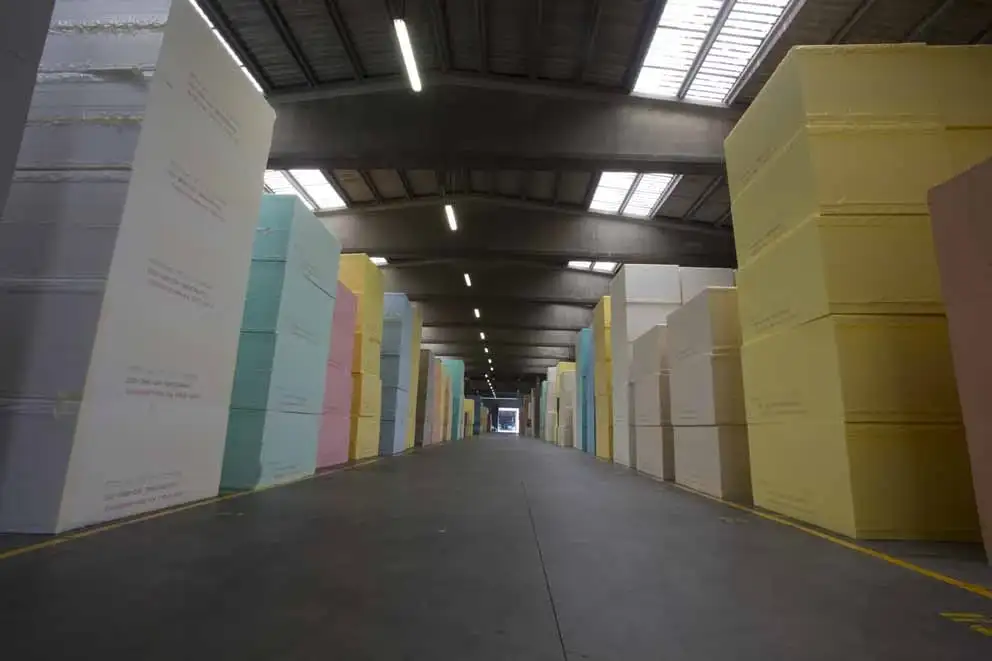
After more than twenty years, today we are present on the market not only with GAIA, a now established and highly appreciated brand by customers, but also with RisORSA, a new range of items based on raw materials of renewable origin, for which we provide third-party certification that certifies the percentage of renewable content present in each item.
With a view to protecting the environment in which we live, a cornerstone of the company's strategy both in processes (equipped with voluntary Quality, Safety and Environment certifications) and in products (equipped with CertiPUR and OEKO-TEX Standard 100, Class I, Annex 6 certifications), we have also introduced the use of recycled materials to adequately support our customers in the need to comply with European regulations in terms of Circular Economy.
In this regard we are present on the market with a range of flexible polyurethane foams, called Recycla, which covers both polyether-based materials aimed at the comfort sector and polyester-based materials for industrial and apparel sectors. These materials are based on chemical recycling technology using polyols characterized by the presence of recycled content.
How much can the new European regulatory framework on Ecodesign influence sustainable design processes?
Andrea Cirani - ORSA foam produces flexible polyurethane foams, which represent semi-finished products within the production chain. Starting from this premise, our Company does not directly participate in the definition/design of finished articles; therefore, it cannot directly implement ecodesign projects. However, we can collaborate with our customers, providing all our knowledge on the polyurethane in order to optimally comply with the design of finished articles that can be easily separated into individual components once they reach their end of life.