 en
en  Italian
 French
 German
 Spanish
 Portuguese



- 11/02/2026
- Companies: strategies and future
Index
A technological reference for the wood sector, Alpi stands out for the breadth of its product range capable of meeting the specific requests of a broad and diverse clientele. Cutting-edge technologies and tailored workmanship, raw materials of the highest quality and significant investments in R&D, a deep synergy with the world of design characterize this important industrial reality that makes of responsible innovation the foundation of its way of operating.
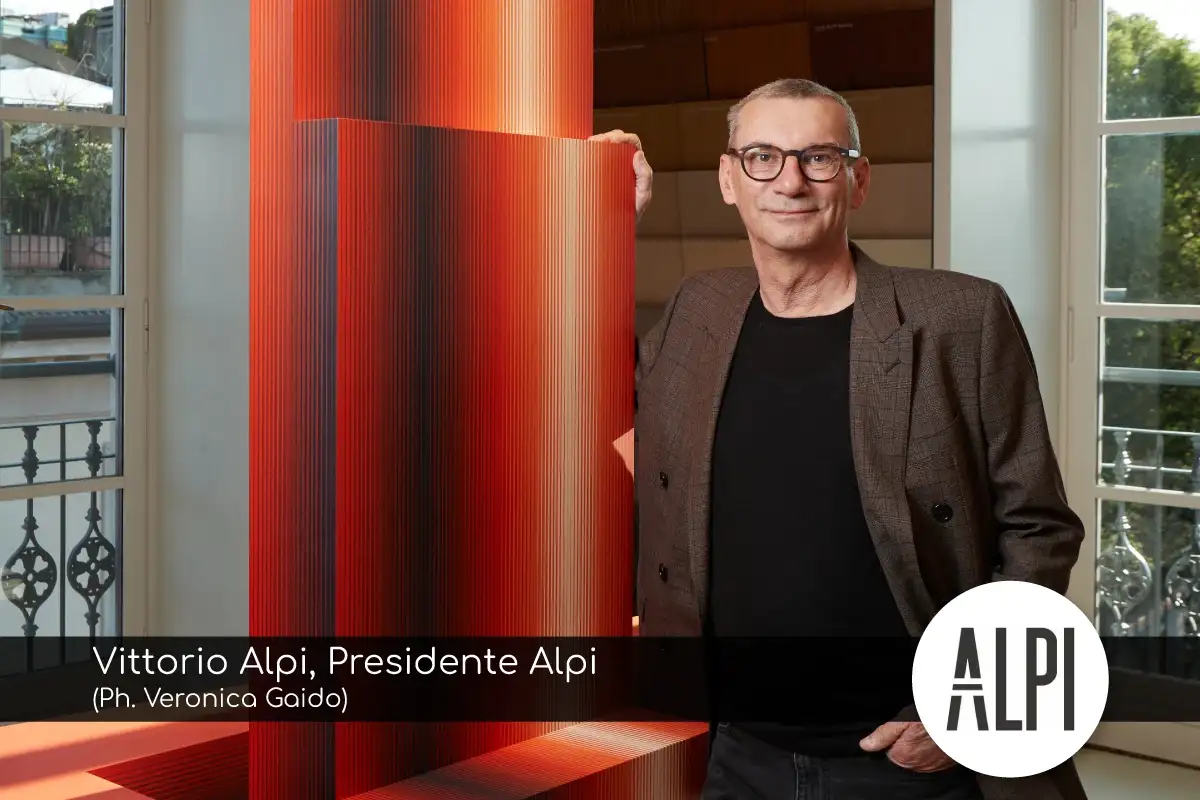
Materials, innovation, design and sustainability: these are the topics covered in the interview with Vittorio Alpi, President of Alpi.
Materials — increasingly sustainable, intelligent and high-performing — have become a central theme in design. How are your innovation strategies expressed?
Today the material is the true meeting ground between design, industry and responsibility. This is where innovation is played out: in the ability to read the material not only for what it is, but for what it can become.
For Alpi this outlook is born from the wood, from its history and complexity. We have always worked on the border between nature and design, exploring surfaces that combine technique, aesthetic quality and cultural value. To innovate means to expand the material’s vocabulary, revealing nuances and unexpected possibilities.
This path goes through research, but also through the dialogue with designers able to interpret the material with contemporary eyes. Projects like Alpi Agreste, born with Estúdio Campana, illustrate this approach well: the material becomes a narrative and an expression of an industrial process that values imperfection and reuse. For us the’innovation is not an exercise in style, but a way to give the project greater depth, durability and meaning with respect to our time.
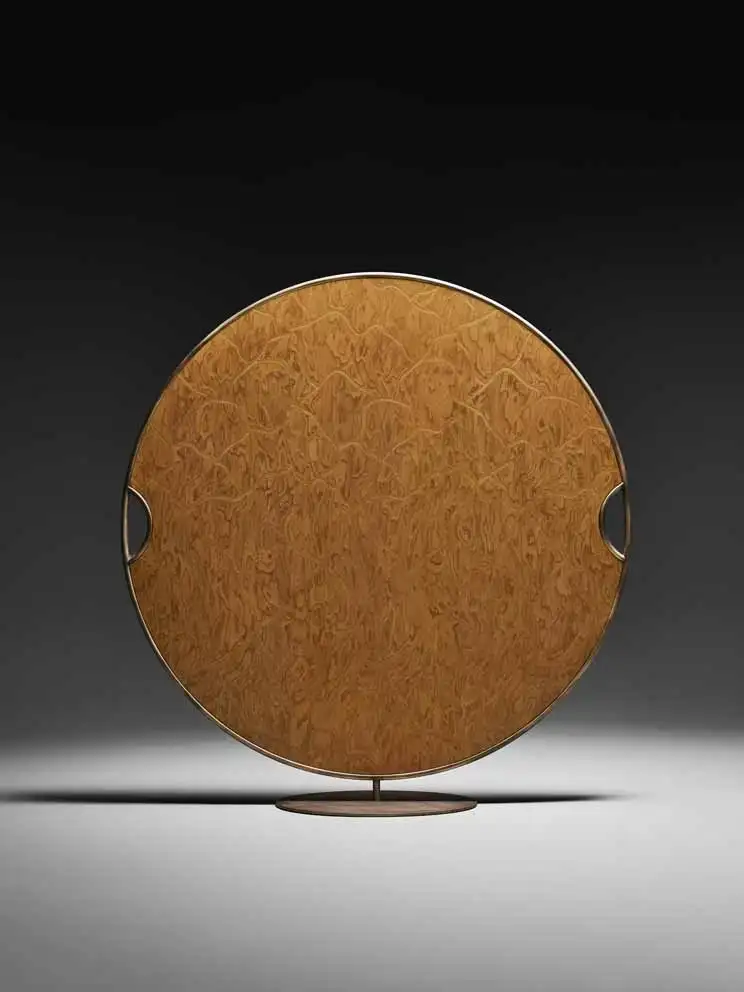
Alpi Agreste Ouro, Design Estudio Campana, Photo Federico Cedrone
Responsible innovation is increasingly expressed through the use of recycled and recyclable materials or through green technologies and production processes capable of reducing environmental impact. How does your company respond to this now-priority issue in corporate strategies?
Responsibility is not a response to a recent trend, but a founding principle of our way of operating. For almost fifty years we have directly managed forest concessions in the Congo basin, operating according to rigorous environmental, social and economic criteria. Obtaining FSC® certification for our forests is the confirmation of a path that weaves together environment, people and territorial culture.
Responsibility is measured by actions: low-impact forest management, planned reforestation, protection of biodiversity, full supply chain traceability, respect for workers' rights and local communities, including indigenous populations. It is a delicate balance between economy and nature, which requires time and vision.
At the same time we invest in increasingly efficient industrial processes, in upcycling of materials and in the development of certified collections that combine sustainability and quality.
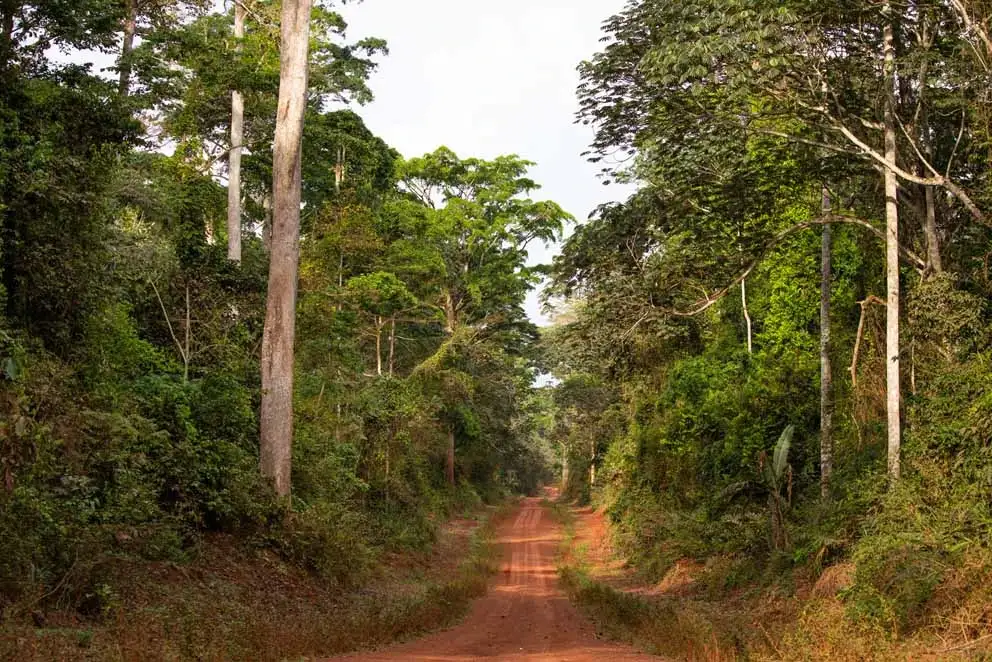
Alpi's forests in Cameroon have obtained FSC® Certification. Photo Marco Pavan
How much can the new European regulatory framework on Ecodesign influence sustainable design processes?
The new Ecodesign rules do not change our vision; they make it more legible. For years we have worked on a controlled supply chain, on traceability and on the responsibility of the material. The European framework could encourage a closer dialogue between designers and industry, where sustainability is not an attribute to be added, but a premise of the project.